
As we begin a new year, my mind returns to one of our oldest teachings: gratitude. Gratitude isn’t a seasonal mindset or something we practice only when things are going well — it’s a daily choice that orients us to our community, our Creator, and the responsibilities we carry to one another. This past November offered two reminders of that teaching.
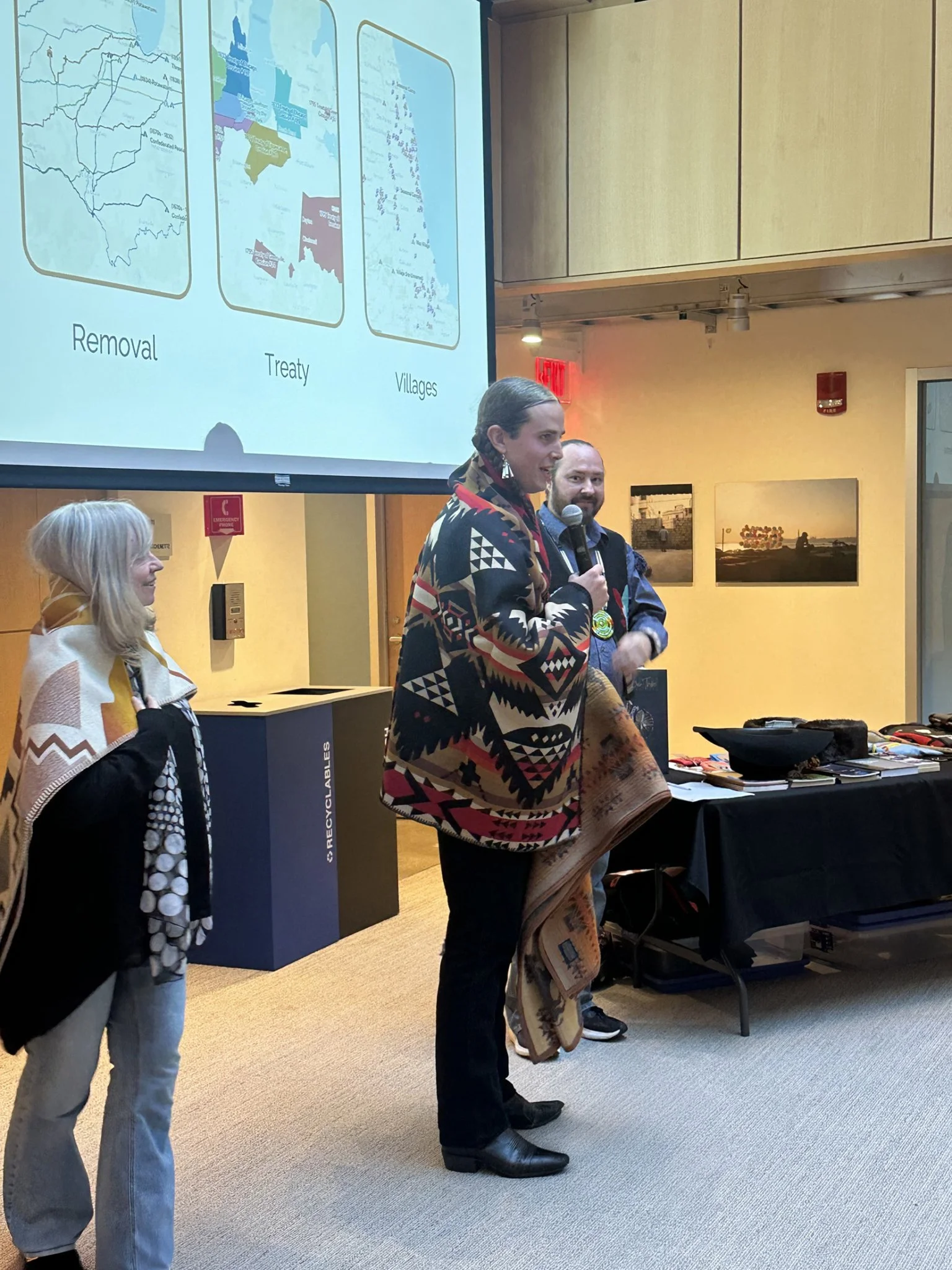
We held our first District 1 meeting in Boston, hosted by Harvard’s Peabody Museum. Seeing citizens from across the Northeast, some attending for the first time and others returning after many years, was deeply meaningful. We opened with a traditional song from Asa Peters of the Mashpee Wampanoag. I introduced my family and myself in our language, with my daughter translating, and for some it was their first time hearing Bodwéwadmimwen aloud. Sharing our language is important to me, and I hope moments like this encourage others to begin their learning journey.
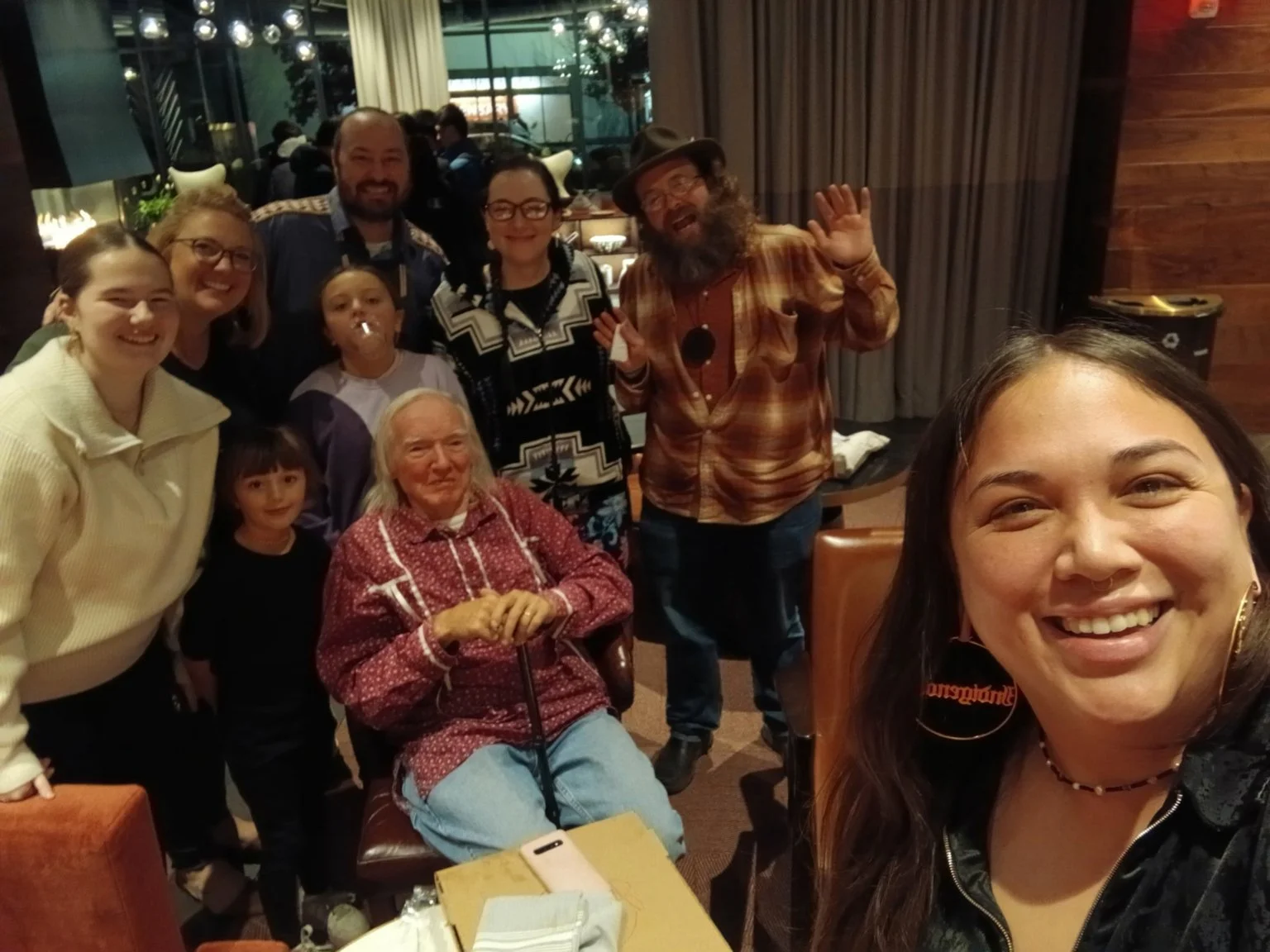
We heard from District 1 elder George Godfrey of the Potawatomi Trail of Death Association, and from Kabl Wilkerson, who helped organize the event and shared his work with Indigenous Chicago. I am grateful to Kabl for his support, George for traveling many miles, and to Dr. Jane Pickering, Dakota LaPlante, and Stephanie Mach of the Peabody Museum for their generosity and partnership. Photos from the event can be viewed at guestcam.co/guest/VaBJexP4sF (Code: CPND1-1108).
As we closed with gifts and a final song, what stood out most were the connections. One citizen reunited with a goddaughter he had not seen in years; another shared a recent health challenge and how meaningful it was simply to be among fellow Bodéwadmik. These moments reminded me why community matters and of my responsibility as your elected legislator to help foster it.
Soon after, another example of community emerged. During the federal government shutdown, many citizens reached out unsure where to turn as paychecks and assistance were delayed. Much of our tribal support is limited to the service area in Oklahoma, but the impact of the shutdown stretched across the country.
Former District 1 legislator Alan Melot and I were looking for ways to support those impacted. Together we contacted District 1 citizen Amanda Funk, who runs the Potawatomi-led nonprofit Widoktadwen Center for Native Knowledge, and a community-funded food assistance effort soon took shape. In our language, widoktadwen speaks to helping one another, which is what this effort has done. As of this writing more than 20 donors have raised over $2,000, already supporting several families!
None of this was done in any official capacity. It was people helping people. Traditionally, our most respected leaders were not those with material wealth, but those who gave of themselves. Our word for chief, wgëma, relates to our word for counting — not just in tallying numbers, but remembering who needed help and ensuring no one was forgotten. Leaders looked after the community: if someone was cold, you offered a blanket; if someone was hungry, you shared what you had. That spirit of giving, whether you have much or little, is what holds our community together.
As I look back, the connecting thread is gratitude. I am grateful for every person who traveled to be with us, for those who donated to help families, and for those who reached out, asked questions, and supported one another.
Being Citizen Potawatomi is not only about powwows or material culture, but the relationships we build and the responsibilities we share. My hope for the year ahead is that we carry this spirit of gratitude forward.
Wishing each of you a safe, healthy, and hopeful start to 2026.
